Newly launched : AI powered Poultry disease diagnostics Model using computer vision
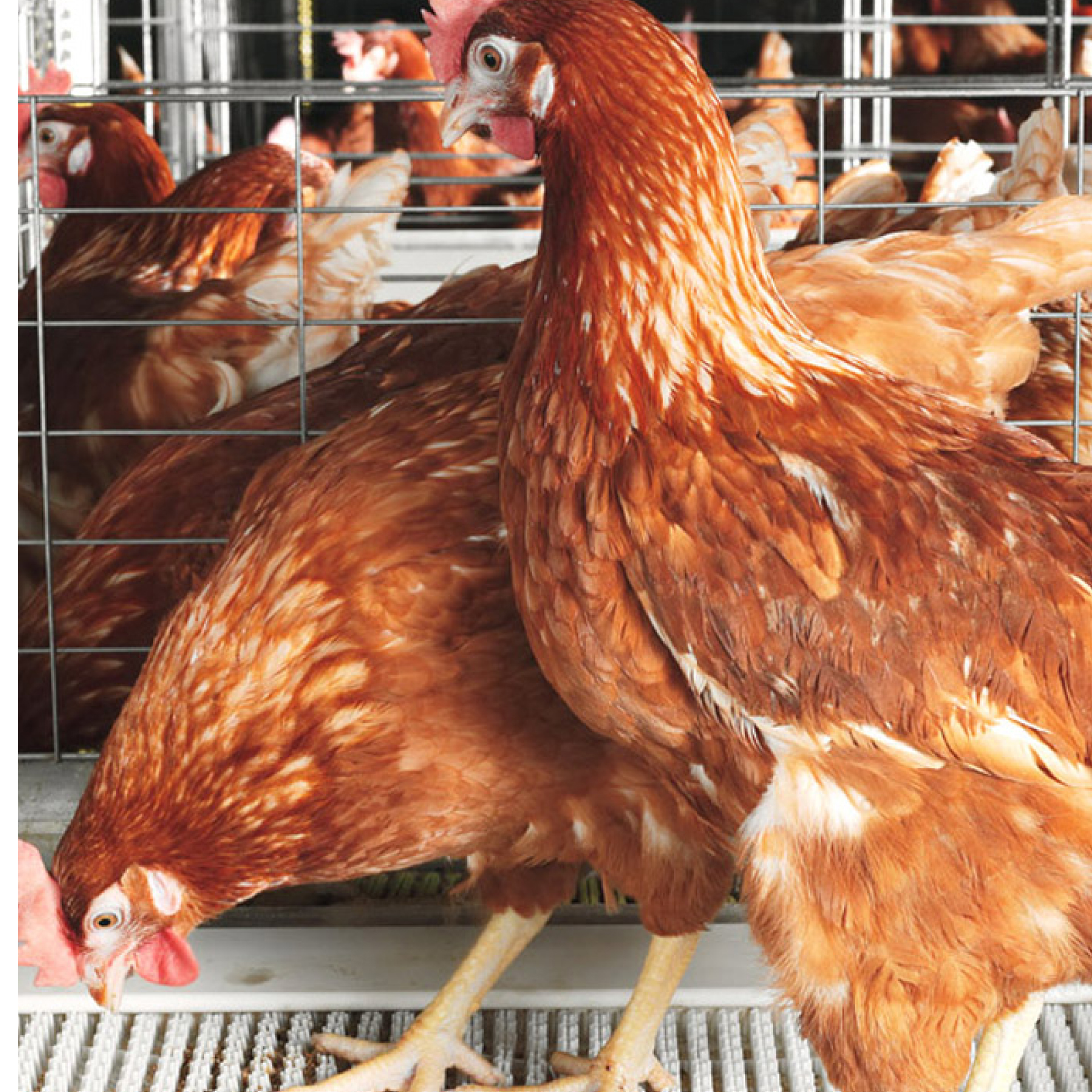
Our newly launched poultry disease detector is an artificial intelligence tool developed by Evet Africa to assist farmers, field veterinarians, and agricultural extension workers in the early detection of common poultry diseases. It uses a computer vision model trained on real poultry farm and postmortem images to identify disease signs directly from photographs — no laboratory equipment required.
What It Does
A user uploads a photo of a sick bird or a postmortem image through web interface. Within seconds, the AI analyses the image, draws bounding boxes around detected lesions and clinical signs, and returns a structured report naming the signs found, the confidence level for each, and the most likely disease diagnosis.
Diseases It Covers
It currently detects three of the most economically damaging poultry diseases in sub-Saharan Africa:
(1) Newcastle Disease — a highly contagious viral disease with systemic effects
(2) Coccidiosis — an intestinal parasitic infection causing high mortality in young flocks
(3) Fowlpox — a slow-spreading viral disease affecting skin and mucous membranes
Features
26-class lesion detection — the model recognises 26 specific clinical signs and postmortem lesions, including torticollis, intestinal haemorrhage, cecal core, cutaneous nodules, tracheal congestion, and more
Confidence scoring — every detected sign comes with a percentage confidence score, helping users understand how certain the AI is
Disease mapping — the tool automatically groups detected signs and identifies the most likely disease, reducing the cognitive burden on the user
Adjustable sensitivity — users can raise or lower the confidence threshold to suit field conditions (e.g. lower threshold for early-stage or subtle signs)
Annotated image output — the tool returns the original image with detection boxes drawn, making it easy to show a veterinarian exactly what the AI found
Web-based access — no app download or installation needed; runs in any browser
Performance
The underlying model (YOLOv11n fine-tuned on ~406 annotated images) achieves:
83.7% mAP@50 — strong accuracy at standard detection thresholds
66.4% mAP@50–95 — robust performance across stricter overlap criteria
71.2% Precision / 73.7% Recall — a balanced result meaning it detects most real disease signs while keeping false alarms low
Benefits
Benefits
Smallholder farmers: Fast first-opinion screening before calling a vet, reducing losses from delayed action
Field veterinarians: A decision-support tool that flags signs they should examine, speeding up postmortem assessments
Extension workers: Ability to triage disease reports in the field without specialist equipment
Researchers: An open, citable dataset and model they can build on or benchmark against
Limitations (to include for transparency)
This is a screening and decision-support tool, not a replacement for professional veterinary diagnosis. Predictions should be verified by a qualified veterinarian, particularly in ambiguous cases. Performance may vary with poor image quality or lighting conditions different from the training data.
Where to Access It
Live demo: huggingface.co/spaces/Evet-Africa/poultry-disease-detector
Model & technical details: huggingface.co/Evet-Africa/poultry-disease-detector
Training dataset: huggingface.co/datasets/Evet-Africa/poultry-disease-dataset